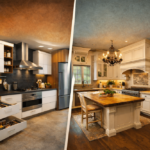
Employing an interior designer to create an environment that is functional, attractive and uniquely yours can be important to finishing a space. Many clients ask the same questions about how their designer will help them achieve their desired result when hiring that designer. Knowing what to expect during this time will help eliminate some obstacles to moving forward and ultimately allow for greater success within the project for both you and your designer.
1. Initial Consultation and Understanding Your Vision
The process to seek out an interior designer usually begins with an initial consultation, during which the designer will request the information needed for him/her to document details about your style, lifestyle and budget; for each room of your house; as well as what you would like to do in that room. The designer will generally ask you questions about what types of colours or designs you feel comfortable living with, and what purpose you will use the space for upon completing the consultation phase, the designer will compile the information gathered from you during the consultation and will utilize this information to complete your design project. Additionally, designers will collect photographs, as well as their measuring devices, and notes of general information pertaining to your home and design project, to keep for their records, during the initial consultation session.
2. Concept Development and Mood Boards
Once the designer has a grasp of what you want, they’ll begin creating concept designs for you by means of creating a variety of mood boards/inspo boards, colour palettes, textiles, and 3D sketches. These visuals should help you to visualize how the end result will look from your perspective.
At this time, the designer will require your feedback regarding the imagery. This could cause modifications to be made, so that your style will be taken into account when using the designer’s overall design concept, while still being able to develop a concept that works efficiently and productively.
3. Space Planning and Layouts
Currently, the designer’s primary goal is space planning – arranging furnishings, lighting and function areas in a way that allows for maximum utility of spaces. Interior designers use computer applications to develop detailed floor plans and layout modifications for effective flow and usage of space.
The most effective method of improving your home’s/office’s appearance and comfort is through the provision of adequate space planning.
4. Selection of Materials, Furniture, and Finishes
When the design plan is confirmed, the designer helps the client in selecting materials compatible with the design of the project. This includes selecting flooring type, finish types, paint colors, types of furniture and type of decorative object that will complete the project and define the appearance of the space.
Interior designers have access to many different suppliers and to unique collections of products sold at a discount price because of their design affiliations, which saves the client both time and money when making purchases.
5. Budgeting and Timeline Planning
Budgeting and scheduling are among the key responsibilities of interior designers. Designers create an extensive project plan which defines all probable costs for materials, labor and so on (contingencies). Furthermore, they will also identify all milestones during the project when items are received until they are installed in a project timeline.
Using these project plans will provide visibility to the client for their completed design so that there will not be unexpected delays or costs related to the design.
6. Project Execution and Supervision
With the completion of planning, it’s ready to execute! Your designer will be working with the contractor, artisans who provide art for the space and all suppliers involved in bringing the vision to life.
The designer will make regular site visits and supervise from start to finish, as will further ensure good quality is achieved along the way and that the work continues as visually per the original design.
This also allows you to have a stress-free experience, as your designer will be the sole point of contact and will handle all communications and problems that arise during the project.
7. Styling and Final Touches
After completing the construction and installation of the design, the designer will then be able to apply the finishing touches, which include decor, artwork, lighting adjustments and furniture layout. The designer’s aim is to establish a cohesive, functional and aesthetically pleasing environment.
8. Handover and Post-Completion Support
After the project is completed, your designer conducts a walkthrough to ensure everything meets your expectations. Many designers also offer post-completion support, helping with maintenance, minor adjustments, or sourcing additional items if needed.
A hired interior designer is not simply there for looks they also help coordinate the layout and execute the design all while making sure that your space both represents who you are as a person and meets your functional requirements, while still providing value for your money and on time. Once you understand this process, you will be able to make the most of all the services offered to you by an interior designer.